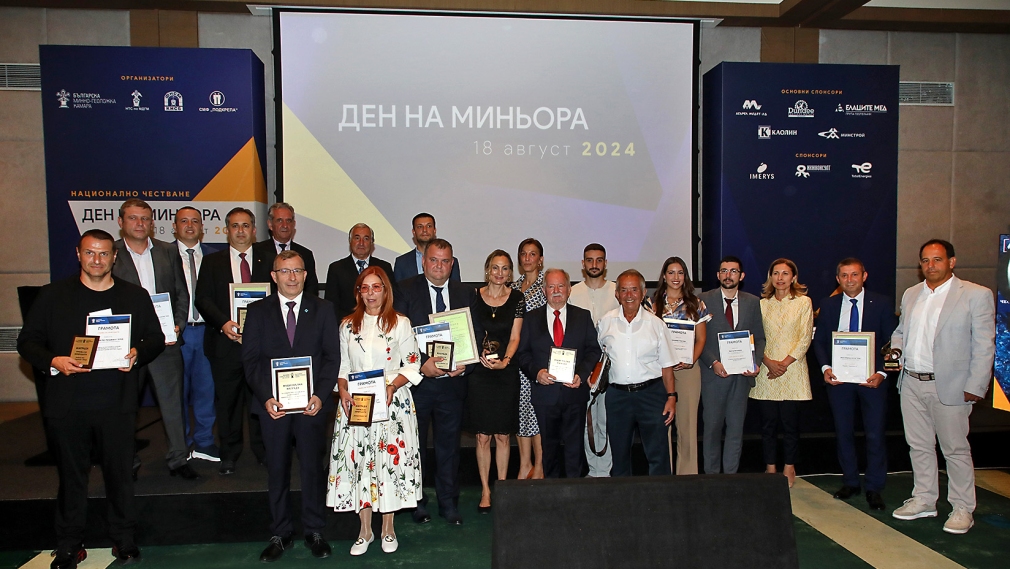
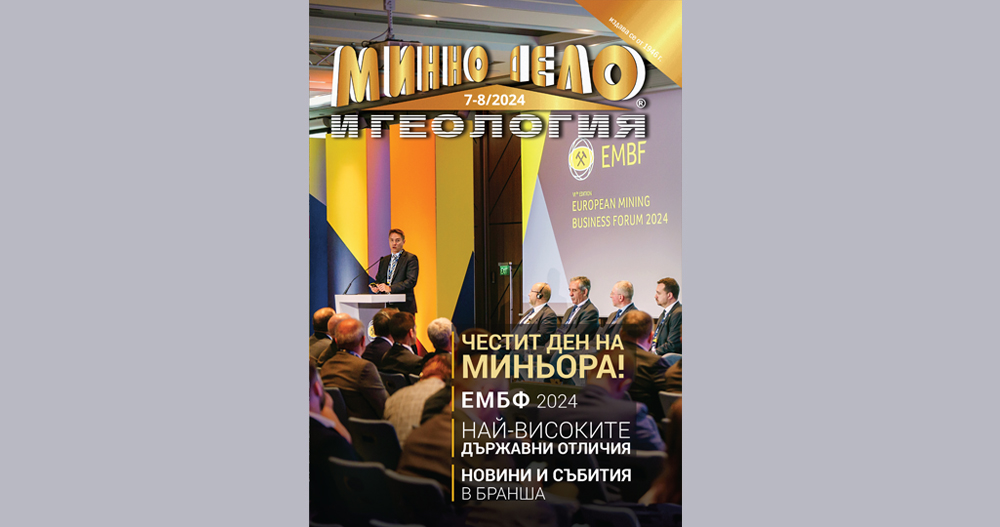
Кулминацията на националното честване на Деня на миньора бе връчването на годишните награди на Българската минно-геоложка камара, с които бяха отличени различни постижения на компании от минната индустрия. Наградените обяви изпълнителният директор на Българската минно-геоложка камара доц.д-р инж. Иван Митев.
Председателят на НТС доц. Кремена Деделянова връчи и златни плакети за заслуги към организацията.
- Награда за постигнати най-високи годишни резултати в минерално-суровинната индустрия през 2023 г.
- „Асарел-Медет“ АД с изпълнителен директор инж. Николай Пелтеков за постигнат ръст добива с 11% през 2023 г. спрямо 2022 г.
- Награда за иновации
- „Дънди Прешъс Металс Челопеч“ ЕАД с изпълнителен директор инж. Любомир Хайнов за проект „Изследователи на бъдещето – новаторски подход за проучвателни дейности чрез използване на изкуствен интелект и машинно обучение“.
- Награда за безопасност и здраве
- „Имерис Минералс България“ АД за постигнат нулев трудов травматизъм през 2023 г.
- Награда грижа за природата
- „Родопи Еко Проджектс“ ЕООД
- „Ватия Кварц“ АД с изпълнителен директор Люба Кожухарова
- „Дънди Прешъс Металс Челопеч“ ЕАД с изпълнителен директор инж. Любомир Хайнов
- „Елаците-Мед“ АД с генерален директор производство инж. Стоил Димитров
- „Асарел-Медет“АД с изпълнителен директор Николай Пелтеков.
- „Дънди Прешъс Металс Крумовград“ ЕАД с изпълнителен директор Ирена Цакова
Oтличия за дружествата, които активно се включиха и в гасенето на пожари през последните месеци
- „Асарел-Медет“ АД с изпълнителен директор инж. Николай Пелтеков
- „Елаците-Мед“ АД с генерален директор инж. Стоил Димитров
- „Дънди Прешъс Металс Крумовград“ ЕАД с изпълнителен директор Ирена Цакова
- „Мини Марица-изток“ ЕАД с изпълнителен директор Тодор Тодоров за помощ при потушаване на пожари в областите Хасково, Ямбол и Стара Загора.
- Награда за корпоративна социална отговорност
- „Геотехмин“ ООД с управител проф. дтн инж. Цоло Вутов.
- „Каолин“ ЕАД с изпълнителен директор Димитър Ангелов
6. Колективни награди за принос към българската минерално-суровинна индустрия
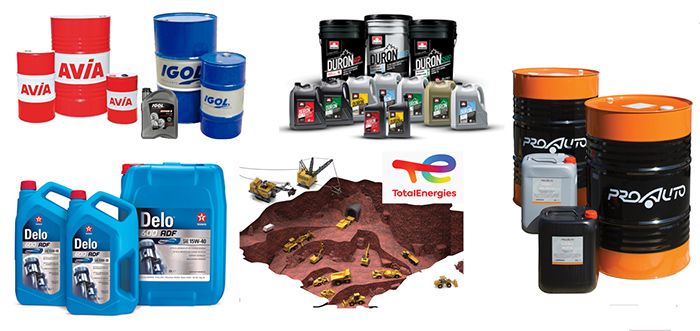
- ТоталЕнерджис, които навършват впечатляващите 100 години.
- „Мини Марица-изток“ ЕАД с изпълнителен директор Тодор Тодоров за навършване на юбилей за навършване на 60 години Рудник „Трояново-3“
- Персонални награди за принос към индустрията
- Марин Благиев („Благиев инженеринг“ ЕООД) – 70 г.
- Розалина Козлева („Инфрапроект консулт“ ЕООД), която е председател на Контролния съвет на БМГК
- Любомир Ангелов („Аква Тера Консулт“ ЕООД) – 50 г.
- Мина Вълева („Каолин“ АД), която е председател и на Постоянна комисия „Право и етика“ на БМГК
Награда се присъжда и на господин Неделчо Бонев от „Минстрой Холдинг“, както и на господин Петър Иванов от „Полимет импорт експорт“ ООД,.
- Награда за най-добър студент на МГУ „Св. Иван Рилски“
- Кристиян Динков – специалност „Маркшайдерство и геодезия“, който ще получи наградата на „Минстрой Холдинг“ АД
- Красимира Георгиева – специалност „Хидрология и инженерна геология“, удостоена с наградата на „Фондация Лъчецар Цоцорков“
- Виктор Веселинов – специалност „Компютърни технологии в инженерната дейност“, с награда от Българска минно-геоложка камара
- Награди за обективно и последователно отразяване на бранша се присъждат на:
- д-р Иван Иванов – издател на в. „Регион“, гр. Пирдоп
- Лилия Горанова от списание SeeNext.
Награда на Научно-техническия съюз по минно дело и геология, която връчи председателят на организацията доц. Кремена Деделянова.
Наградата е Златен плакет за заслуги към НТС по МДГМ на:
- проф. д-р инж. Георги Михайлов
- проф. д-р инж. Иван Марков
- доц. д-р инж. Евгения Тарасова